Casino History and the Changing Meaning of a Social Room
Casino history becomes clearer when you compare gaming rooms with Vĩnh Long gathering places and see how each setting shaped company, access, and leisure.
The most common mistake in casino history is treating the gaming table as the whole story; it costs readers a chance to see how rooms organized leisure, company, and social boundaries. Casino history becomes more concrete when it is tied to specific places and periods, then compared carefully with gathering places familiar in Vĩnh Long.
Gaming rooms made leisure visible in particular settings
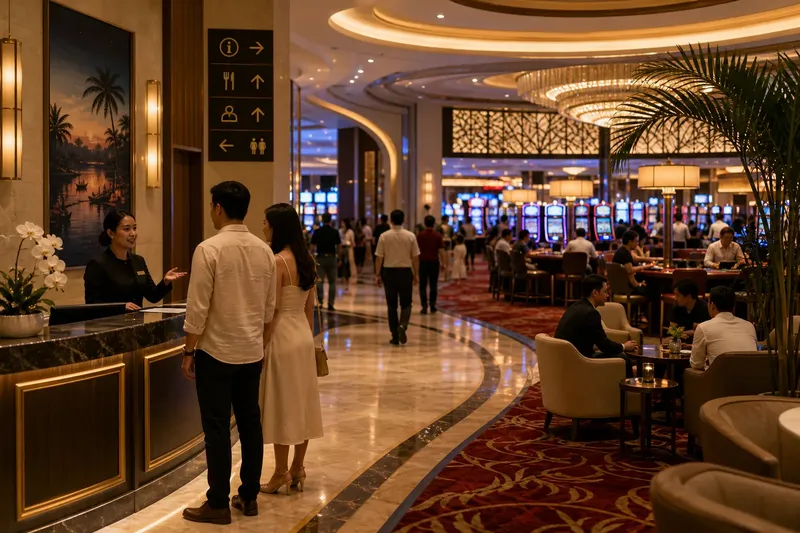
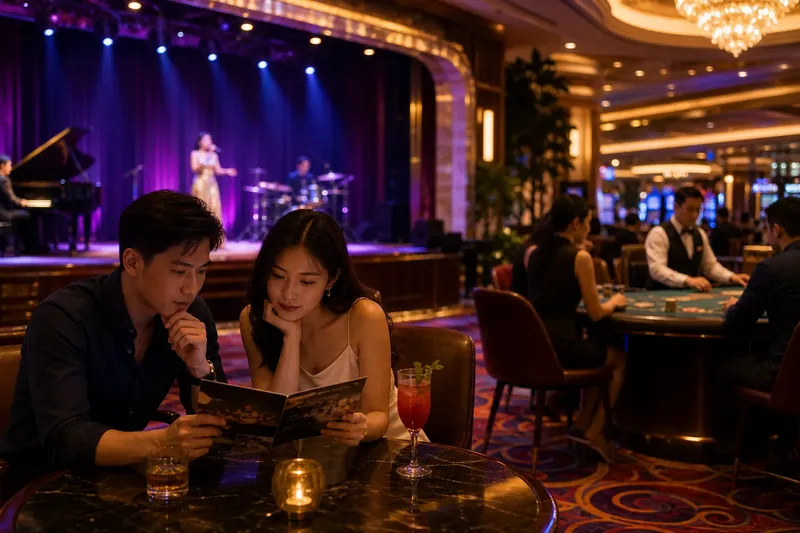
Historical accounts often place European gaming rooms within resort life, where visitors might also seek conversation, music, promenades, or hospitality. Those activities varied by venue and period, so it is safer to describe them as possibilities within a wider visit than as a standard program shared by every resort. A room could host play while also giving visitors a setting in which to observe one another and be seen.
That social function did not remove barriers to entry. Rules, expense, clothing expectations, and reputation could affect who entered and how comfortable they felt. A room might appear open to shared leisure while still reflecting distinctions of means and social standing.
Monte Carlo is often discussed as a resort setting where gaming became part of a broader public identity. Rather than treating it as the model for all casinos, it is more careful to see it as one particular history involving travel, entertainment, and formal display. Claims about its development or about other named resorts should be checked against reliable historical sources before being presented as established detail.
The word casino has carried different meanings
“Casino” has referred to more than one kind of place. In some contexts it described a social club or gathering house; in others, it named a venue centered on gambling, sometimes alongside dining or performance. To understand a historical use, distinguish the building’s name from the activities it hosted and the audience it served.
Later resort and urban venues presented hospitality and entertainment in different ways. That did not erase gaming, and it did not mean every visitor came for the same reason. Some people came to play, some accompanied others, and some took in the surrounding social scene.
What is not worth the effort is searching for one timeless definition of a casino as a “social room.” The phrase helps only when attached to a particular place, period, and set of conventions.
Vĩnh Long is a point of comparison, not a claimed casino history
This article does not claim a documented history of casino venues in Vĩnh Long. Instead, the city offers a point of comparison: meals among relatives, community occasions, and visits with friends have their own rhythms and expectations. They can clarify what gathering means without being treated as equivalent to a gaming room.
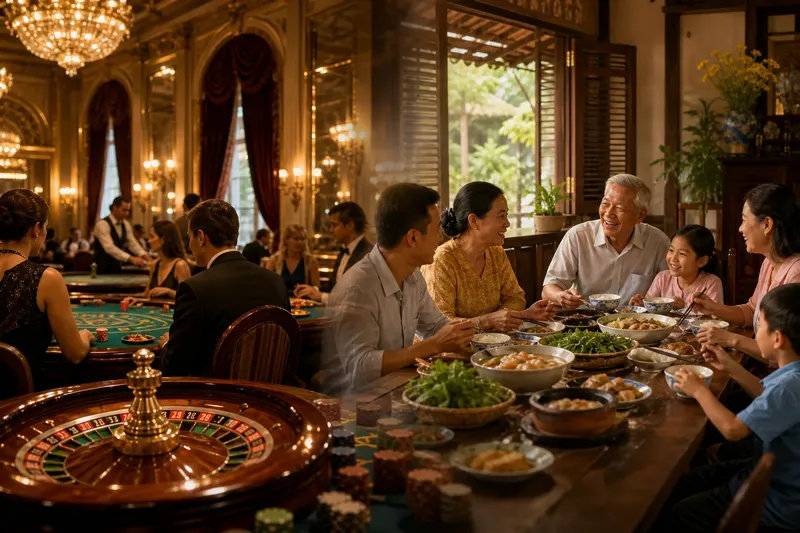
A family meal may center on food and conversation; a community occasion may be organized around a shared purpose. A casino directs attention toward gaming and the services around it. Comparing these forms of leisure makes differences visible: what people do together, what behavior a space expects, and who feels at ease there.
Say a reader is comparing an imagined gaming room at a European resort with an imagined family meal in Vĩnh Long. The reader begins with two activities: gaming and conversation over a meal. Next, the reader notes the expected forms of participation: the resort room centers on play and public display, while the meal centers on conversation and kinship. The resulting comparison is that the places are not interchangeable; each has its own rules of participation and gives “social room” a different meaning.
Questions about casinos as social rooms?
Were casinos always places for socializing?
No single answer fits every venue. Some gaming rooms were part of a broader resort or club experience, while others were organized more narrowly around play.
Did casino access become more open over time?
Access varied by place and period, shaped by law, expense, and custom. A claim about change needs to identify the venue and context rather than assume a steady movement toward openness.
How does Vĩnh Long fit this history?
Vĩnh Long serves here as a comparison with familiar local gatherings, not as evidence of a particular casino tradition. That distinction keeps a cultural comparison from becoming an unsupported local history.
What does “casino as a social room” mean?
It describes a venue where company and public interaction accompany gaming. The phrase should also prompt questions about entry rules and which visitors may feel excluded.
A careful comparison keeps place and convention in view
Casino history gains depth when it names the setting rather than treating sociability as universal. Resort gaming rooms and local gathering places in Vĩnh Long can be compared without claiming that they share a history or serve the same purpose.
The useful question is which activities a particular room brought together, under what conventions, and for whom. Keeping those questions in view makes the social meaning of a casino clearer—and keeps a comparison with Vĩnh Long grounded in what can responsibly be said.